We are processing your request.
Please, don't close or refresh the page.
9 AM – 7 PM
Largo Sant’Angelo, 1, Tivoli, Roma
1.5-2 hours approx.
From 10.60 €

Villa Gregoriana: Tickets and Info

This website offers official tickets for this venue. Please note, however, that it is not the official website of the venue.

Smartphone tickets

Smartphone tickets

Why wait?

Priority Access Available

Instant confirmation

Instant confirmation

Flexible cancellation
Flexible cancellation

Smartphone tickets

Smartphone tickets

Everything you need, right in your pocket!
Why wait?

Why wait?

Skip the line and get priority access
Instant confirmation

Instant confirmation

Receive your tickets seconds after your purchase
Flexible cancellation

Flexible cancellation

Free cancellation up to 24 hours before the event available on selected experiences
4.6
(36)

Gregorian Villa: Entrance ticket

Highlights

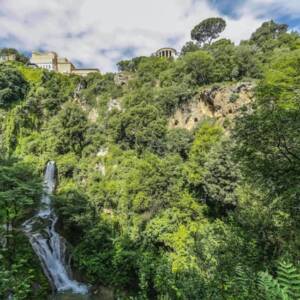
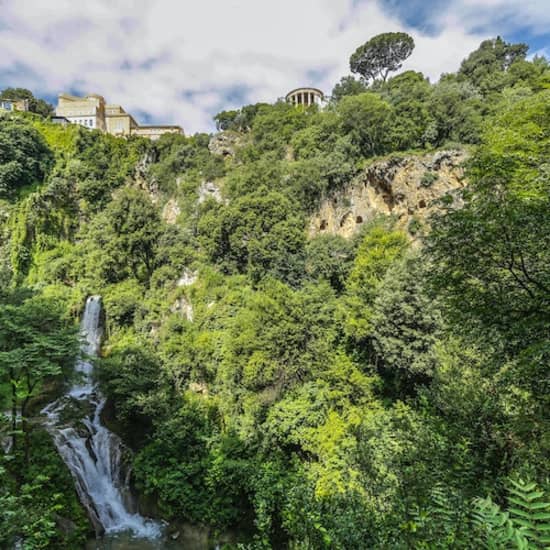
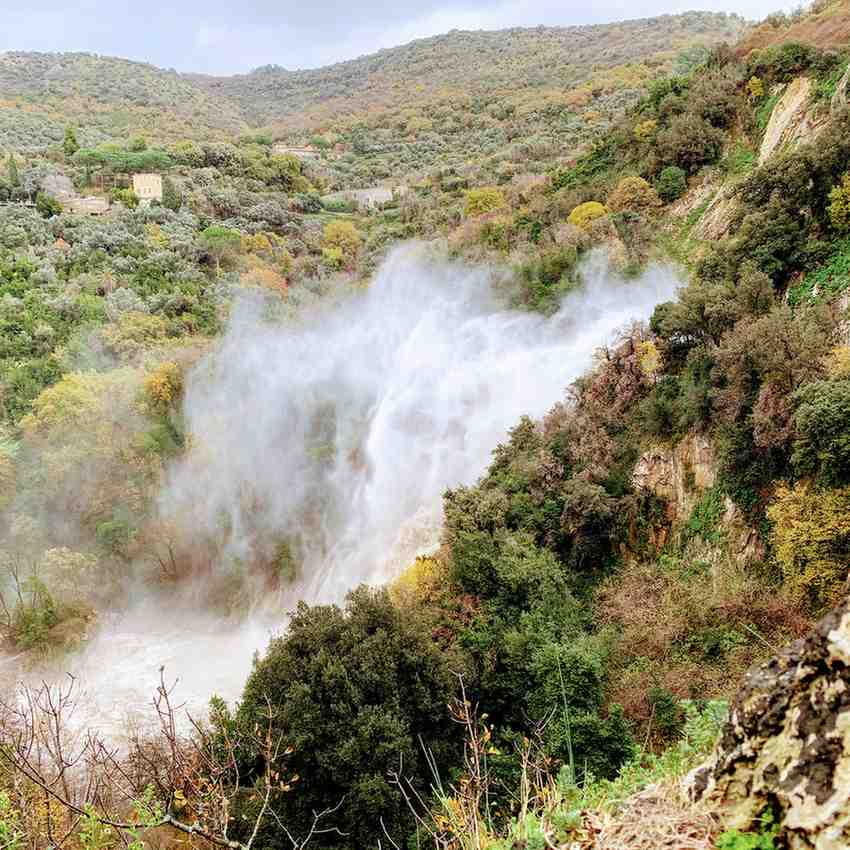
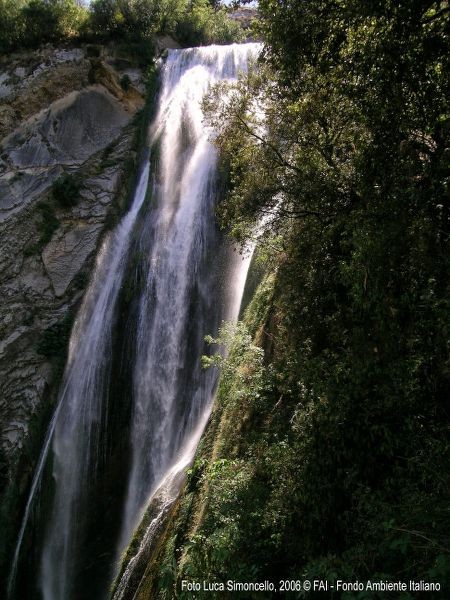
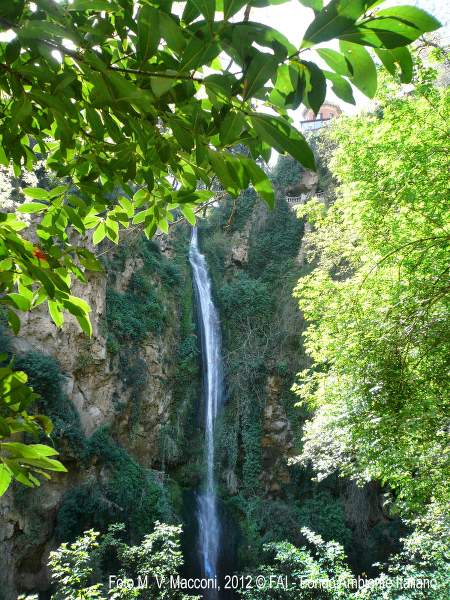
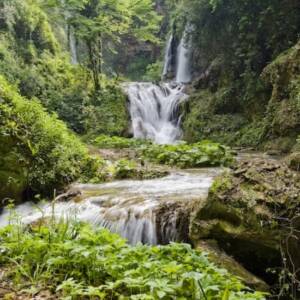
Marvel at the spectacular Cascata Grande, Italy’s second tallest waterfall.

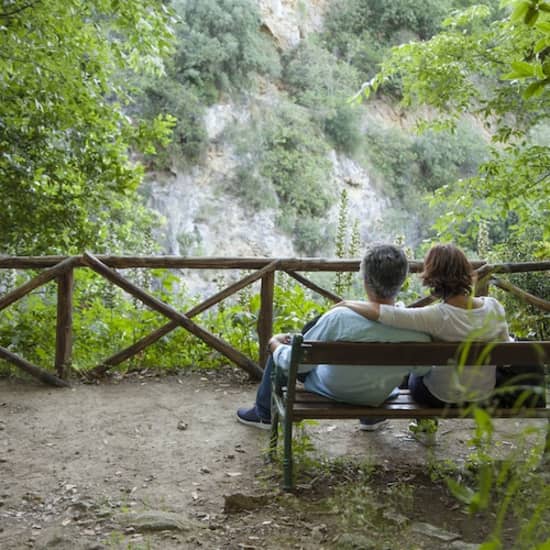
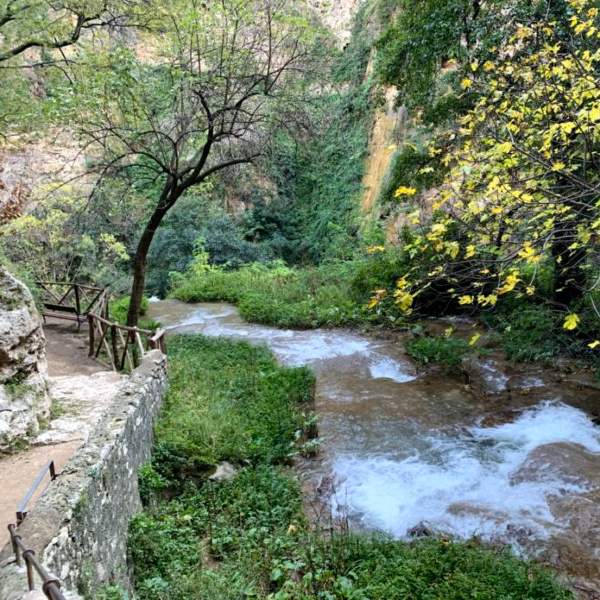
Experience serene nature trails surrounded by lush greenery and ancient structures.

Discover historical sites such as Roman ruins and caves scattered throughout the park.

Enjoy a peaceful escape just a short distance from Rome in the town of Tivoli.

Soak in the atmosphere that once inspired artists and writers since the 19th century.
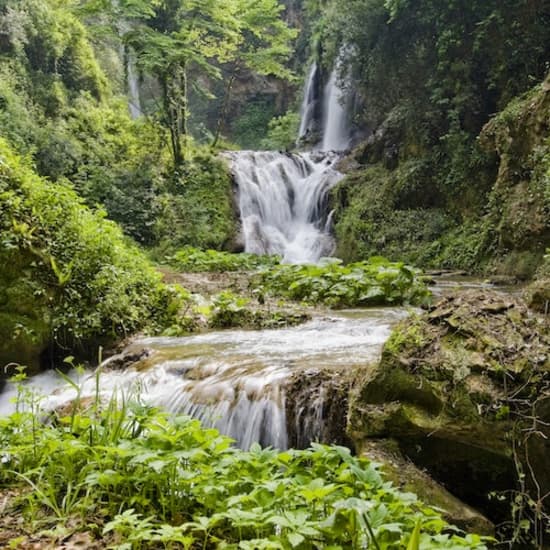
Villa Gregoriana

Discover the enchanting Villa Gregoriana in Tivoli, Italy, a remarkable 19th-century park blending stunning waterfalls, historic grottoes, and lush gardens. This unique natural and architectural site offers captivating walking paths and scenic views that reflect its rich cultural heritage. Plan your visit today and secure your tickets to explore this exceptional landmark, where history and nature unite in perfect harmony. Buy your tickets now and experience the beauty of Villa Gregoriana firsthand.

About Villa Gregoriana, Tivoli, Italy
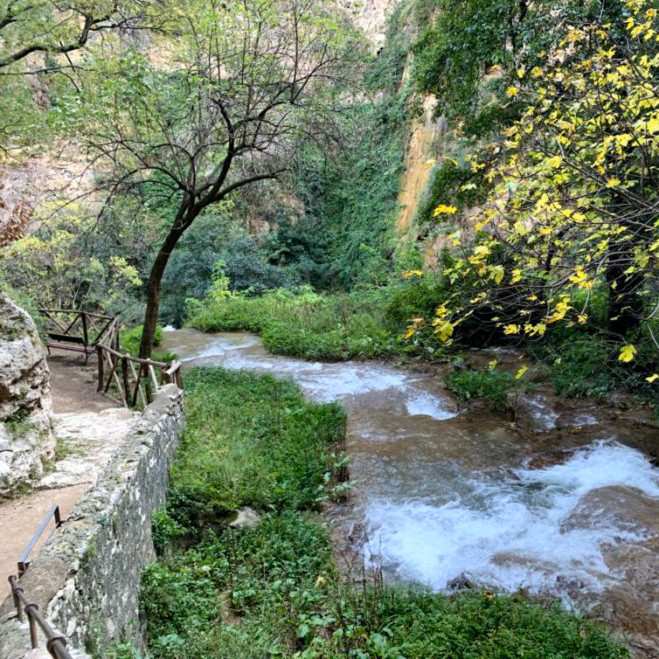
Villa Gregoriana (Google Maps)

Villa Gregoriana is a distinguished heritage site located in Tivoli, Italy, celebrated for its blend of natural beauty and historical significance. Established in 1835 under the direction of Pope Gregory XVI, the complex was originally developed to manage the flooding of the Aniene River, showcasing remarkable engineering achievements of the 19th century.

Today, the villa and its expansive gardens offer visitors a unique experience featuring cascading waterfalls, intriguing grottoes, and serene woodland trails, all set within a landscape that intertwines art, history, and nature. The site continues to attract international tourists interested in exploring its rich cultural heritage and impressive landscape design.

Number of Annual Visitors: More than 40,000
Founded: In 1835, by Pope Gregory XVI

Why Visit Villa Gregoriana?

The Power of the Great Waterfall

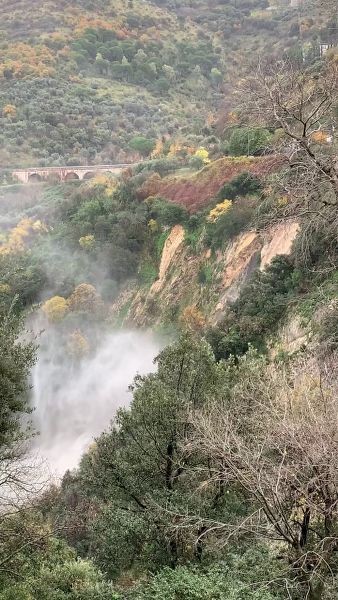
Commissioned by Pope Gregory XVI in the 1830s, the park’s centerpiece is the Cascata Grande, an impressive man-made waterfall that plunges over 100 meters into the gorge. This engineering feat was the solution to the frequent and destructive flooding of the Aniene River, and it transformed the valley into a powerful Romantic landscape.

Ancient Roman History in a Natural Setting

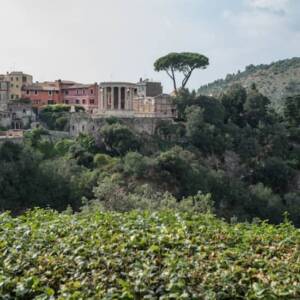
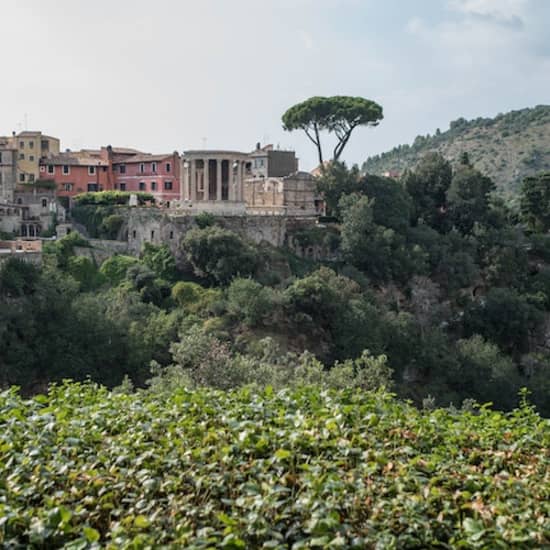
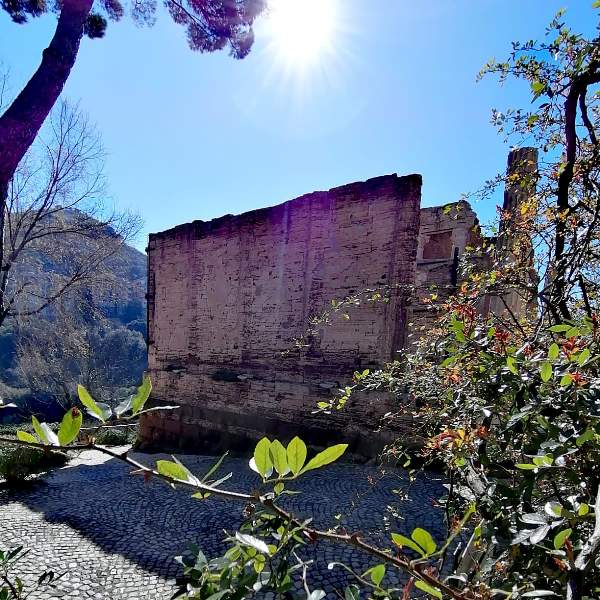
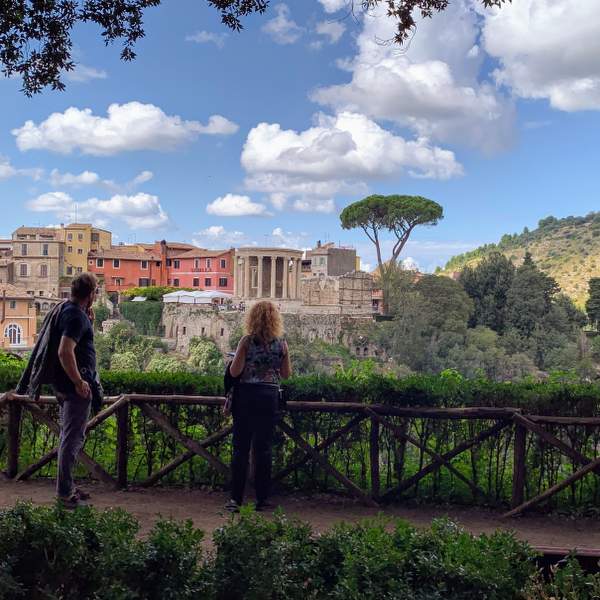
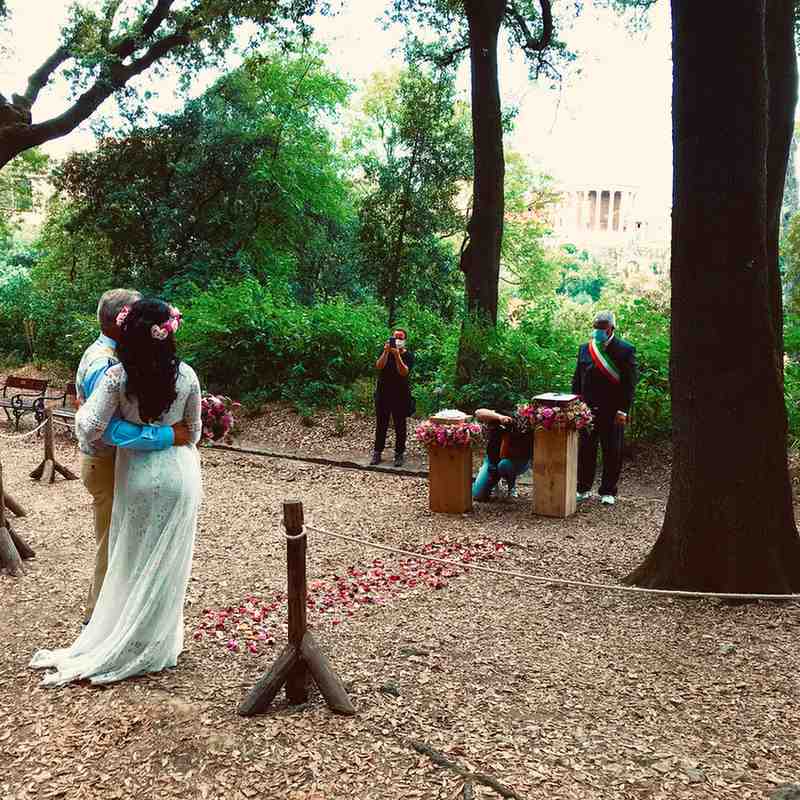
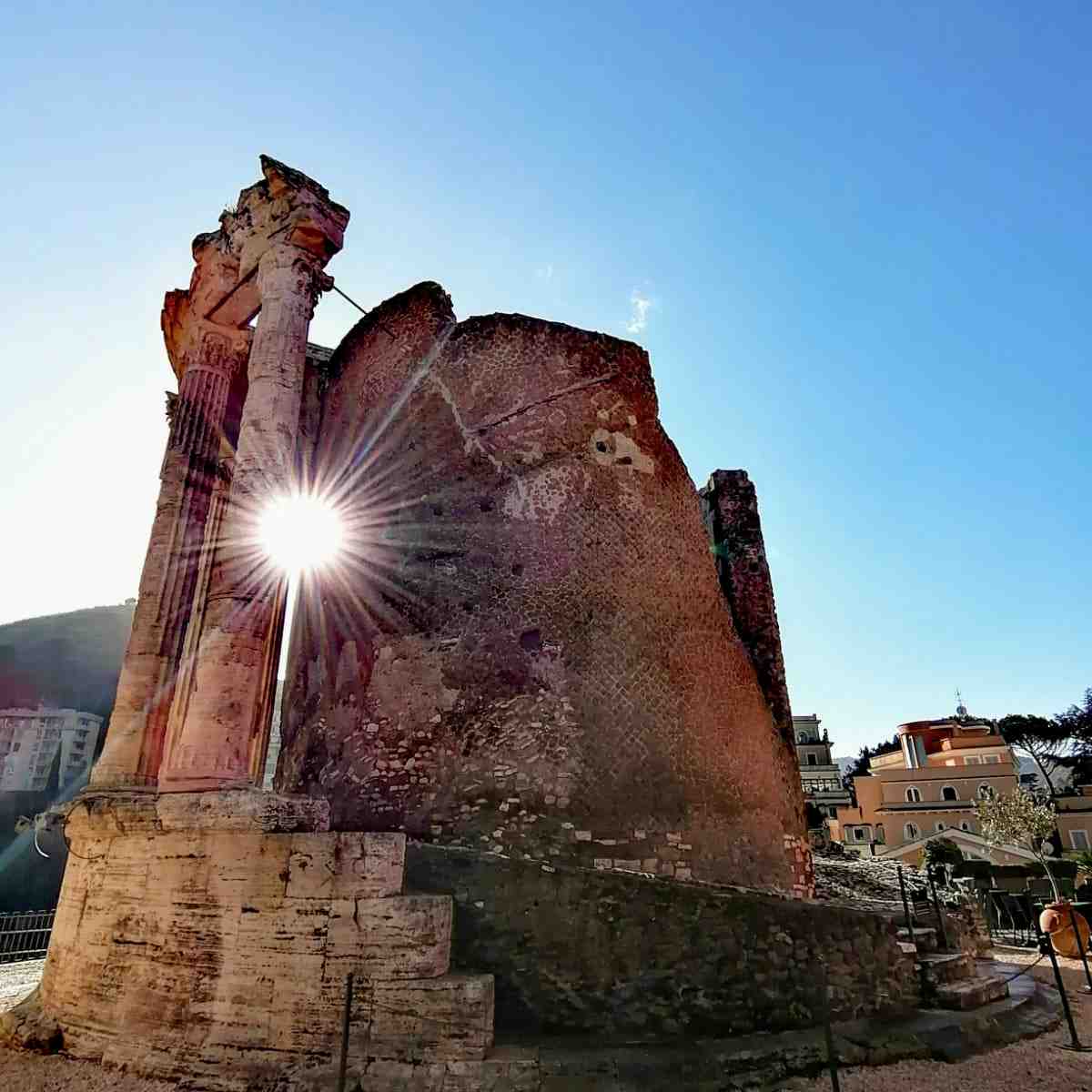
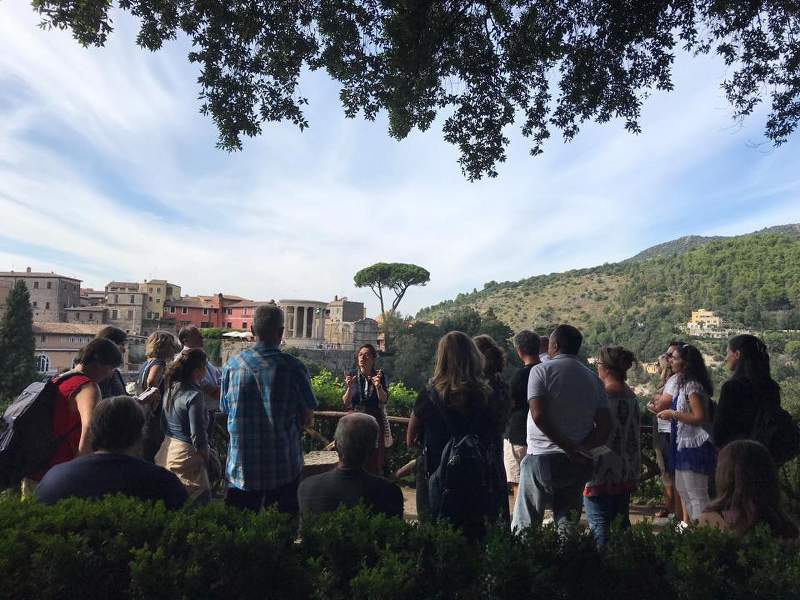
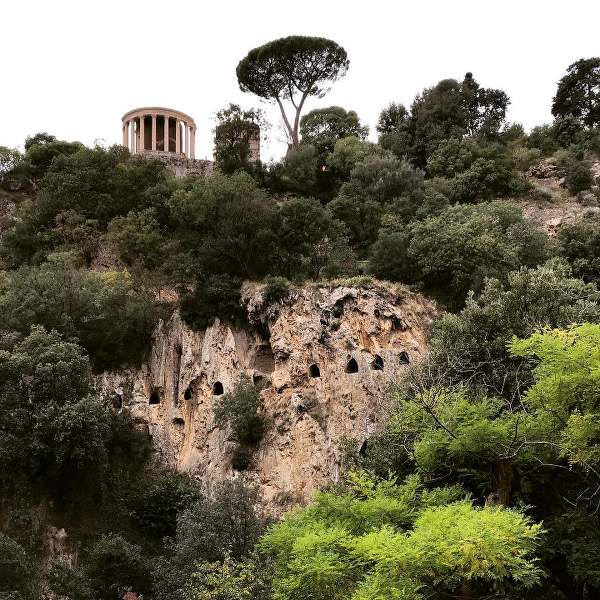
The park is situated at the foot of Tivoli’s ancient acropolis and incorporates significant archaeological remains. Visitors can explore the ruins of the first-century Roman villa of Consul Manlius Vopiscus and the dramatic, circular Temple of Vesta perched high above the gorge.

Explore the Subterranean Grottoes

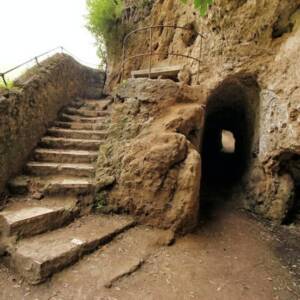
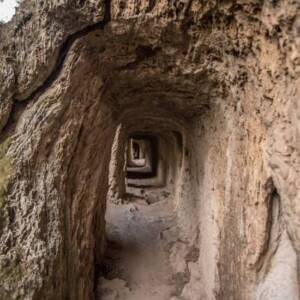
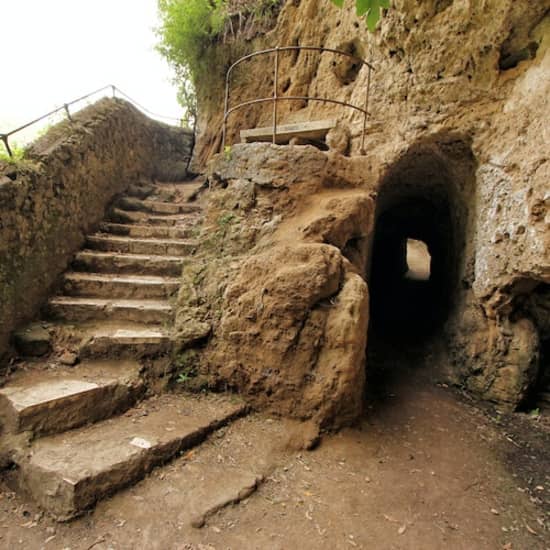
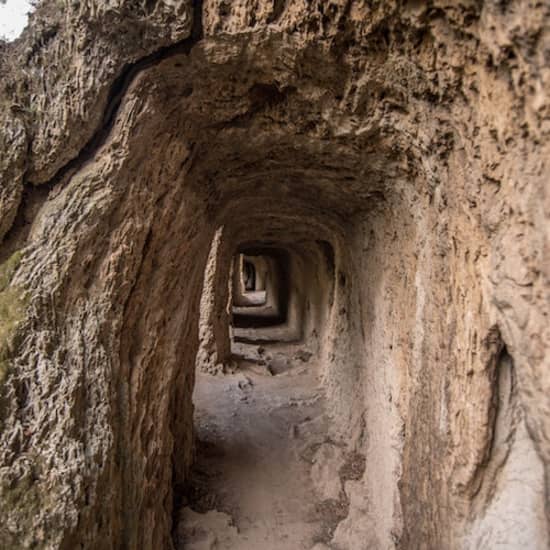
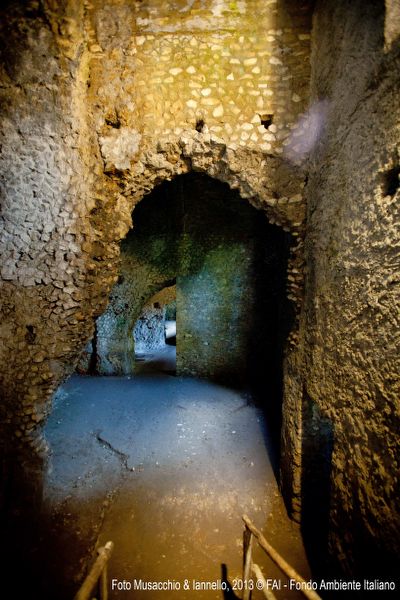
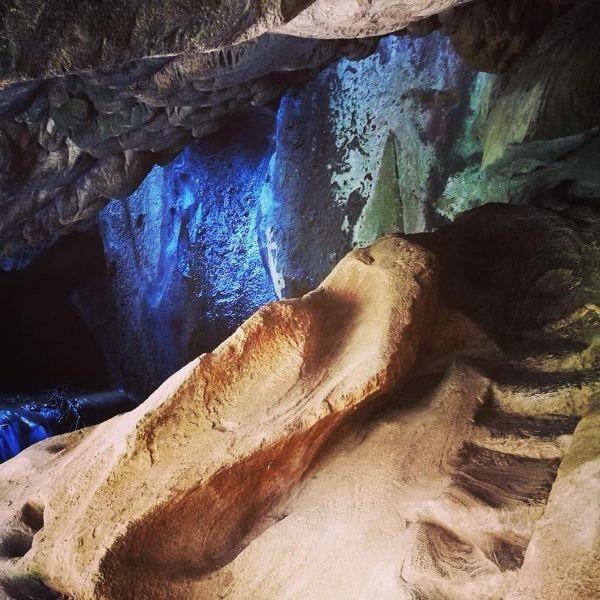
Hidden within the limestone cliffs are the mysterious Grotto of Neptune and the Grotto of the Sirens. These spectacular caverns, carved over time by the force of the Aniene River, are reached via a series of scenic footpaths and tunnels, offering a direct encounter with the area’s geological past.

A Grand Tour Landscape

In the 19th century, Villa Gregoriana was a mandatory stop on the European Grand Tour, capturing the imaginations of artists and poets. The picturesque blend of wild nature, cascading water, and ancient ruins has been immortalized in countless paintings, making the valley itself a celebrated work of art.

A Natural Escape from Rome

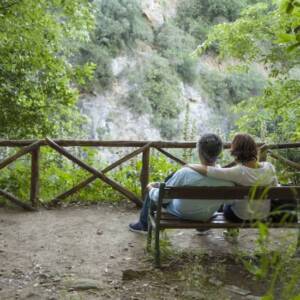
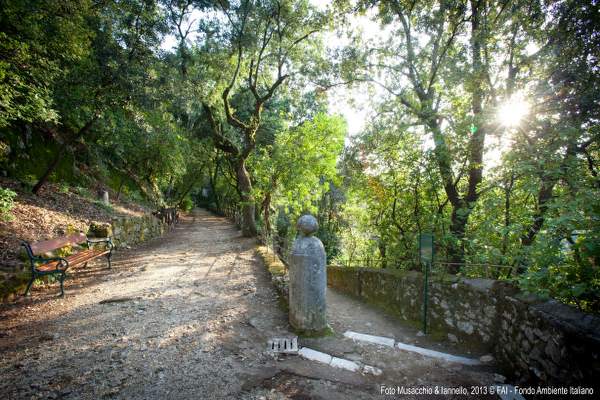
Unlike the manicured gardens of other Tivoli villas, Villa Gregoriana offers a densely wooded park with a dense network of shaded trails. It provides a unique opportunity for an invigorating hike, inviting visitors to experience the “Valley of Hell” as a place of natural splendor and serenity just a short distance from the capital.

Timings
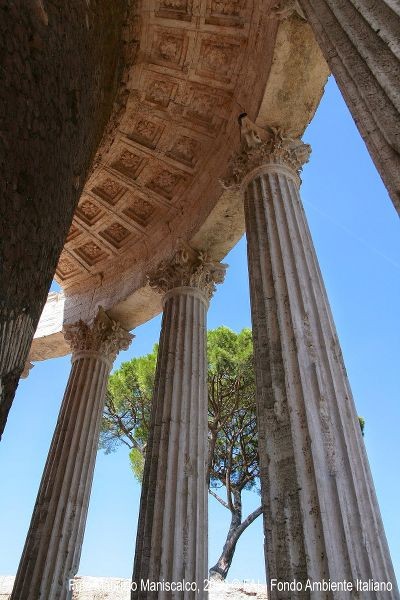
Villa Gregoriana operates on a seasonal schedule, with longer opening hours during the peak summer months. We strongly advise checking the current official FAI schedule immediately before your visit, as timings can change.

High Season (Approx April to September): The park generally opens at 9 AM or 9:30 AM and closes later, often between 6:30 PM and 7 PM.

Low Season (Approx October to March): Opening times remain consistent, usually 9:30 AM or 10 AM, but the closing time is earlier, typically between 4 PM and 5 PM, due to daylight constraints.

Last Admission: Entry is consistently permitted only up to one hour before the park’s official closing time. This is a strict policy to ensure all visitors have sufficient time to complete the full, challenging route.

How to Get There?

Villa Gregoriana is located in the historic town of Tivoli, approximately 30 kilometers east of Rome. The park’s main entrance is conveniently situated near the center of Tivoli, making it easily accessible via public transport from the capital.

Address:

Largo Sant’Angelo, 1 00019 Tivoli RM, Italy

Directions

Villa Gregoriana (Google Maps)

The most straightforward way to reach Tivoli is by taking the regional train service (Trenitalia) on the FL2 line.

Departure: Trains depart regularly from Roma Tiburtina Station or occasionally from Roma Termini Station.

Destination: Tivoli Station. The journey typically takes between 45 minutes to an hour.

From Tivoli Station: The entrance to Villa Gregoriana (Largo Sant’Angelo) is just a short, signposted 5-10 minute walk from the station.

Villa Gregoriana (Google Maps)

The Cotral bus network offers a frequent, economical option from Rome.

Departure: Take the Metro Line B in Rome to the Ponte Mammolo station.

Connection: From the Ponte Mammolo bus depot, board a blue COTRAL bus heading towards Tivoli.

Destination: Get off at the main bus stop in Tivoli, usually Largo Sant’Angelo, which is a two-minute walk from the park entrance. The bus journey takes approximately one hour, depending on traffic.

If traveling by car, Tivoli is reached via the A24 motorway (Roma-L’Aquila).

Route: Take the A24 and exit at either Tivoli or Castel Madama. Follow the local road signs toward Tivoli and then Villa Gregoriana.

Parking: The park does not have a dedicated, large parking lot. Limited paid parking is available in the vicinity of the historic center, such as the Parcheggio Pigneto, though spaces can be difficult to find on weekends. We strongly recommend using public transport due to the limited parking in the old town.

Things to Know Before Visiting Villa Gregoriana

The park route is physically demanding, involving a significant descent and ascent via numerous steps and slopes.

Comfortable, sturdy shoes with good grip are essential for navigating the wet, uneven, and sometimes slippery paths.

The full visit, including exploration of the grottoes and main views, generally requires about two hours.

Last admission is strictly one hour before the official closing time, so plan your arrival accordingly.

Due to the challenging terrain, the park is not recommended for visitors with limited mobility, prams, or strollers.

Food services are limited to a small vending area at the entrance; plan to eat or dine in Tivoli town before or after your visit.

Summer heat can be intense, so carry water bottles, even though the dense foliage provides considerable shade.

Check the official FAI website before leaving, as the opening hours vary significantly by season.

The Grotto of Neptune may occasionally be closed to the public for safety reasons, depending on weather and river conditions.

Parking in Tivoli’s historic center is extremely limited, making the train or bus a highly recommended means of transport from Rome.

Additional Information

Villa Gregoriana (Google Maps)

The core facilities at Villa Gregoriana are located near the main entrance at Largo Sant’Angelo. Visitors will find clean, maintained restroom facilities here.

The park also provides a dedicated information point and ticket office where staff can assist with queries.

Please note that due to the historic and natural character of the site, amenities are concentrated at the top entrance and are limited once you begin the descent into the gorge.

Villa Gregoriana (Google Maps)

A small, dedicated bookshop and souvenir store is located near the park’s entrance.

This shop offers a selection of items that reflect the history and natural beauty of the site, including guidebooks, art history publications, and postcards featuring historic prints of the Grand Tour landscape.

It provides an opportunity to purchase a keepsake to remember your visit, while also supporting the FAI (Fondo Ambiente Italiano), the non-profit organization that manages the park.

Villa Gregoriana (Google Maps)

Villa Gregoriana does not contain a full-service restaurant or café within the park itself.

However, there is a small vending area available near the entrance for purchasing bottled water and light snacks, which is essential after completing the physical demanding route.

For a proper meal or coffee break, visitors will find numerous traditional restaurants, pizzerias, and gelaterias in the immediate vicinity of the entrance in Tivoli’s historic center.

Accessibility

Due to the unique and historic topography of the Aniene River gorge, the full path through Villa Gregoriana is not accessible for all visitors.

The route involves a significant descent and ascent, comprising steep slopes, uneven paths, and hundreds of steps necessary to reach the Great Waterfall and the grottoes.

Visitors with mobility issues, those using wheelchairs, or those pushing prams will find the terrain exceptionally challenging and restrictive.

We highly recommend reviewing the physical requirements before purchasing tickets if mobility is a concern.

Interesting Facts about Villa Gregoriana

The park was established by Pope Gregory XVI in 1835 following a devastating flood caused by the Aniene River.

The Cascata Grande is an artificial waterfall, created to divert the river’s course and protect the town of Tivoli from further destruction.

This engineering work involved digging a new, 280-meter-long underground tunnel through Mount Catillo.

The Great Waterfall plunges over 100 meters, making it one of the tallest waterfalls in Italy.

Before the diversion, the river naturally flowed over the cliffs in four separate, smaller waterfalls.

Villa Gregoriana is not a villa in the traditional sense but a naturalistic park centered on the river gorge.

It became a mandatory stop on the European Grand Tour, attracting artists, writers, and aristocrats throughout the 19th century.

The landscape was designed in the Romantic style, intentionally contrasting wild nature with ancient ruins.

The park contains the ruins of the Roman consul Manlius Vopiscus’s first-century villa.

The Temple of Vesta and the Temple of the Sibyl, perched on the acropolis above the gorge, overlook the entire park.

The impressive subterranean Grotto of Neptune was carved out by the constant erosive action of the Aniene River.

The park was restored and reopened to the public in 2005 by the Italian National Trust (FAI) after decades of neglect.

The FAI project removed over 1,500 tons of waste and debris during the decade-long restoration effort.

The entire valley was known historically as the “Valle d’Inferno” (Valley of Hell) before its Romantic transformation.

FAQs about Villa Gregoriana

What is the main purpose of Villa Gregoriana?

It is a 19th-century park primarily created by Pope Gregory XVI to divert the Aniene River and prevent the town of Tivoli from catastrophic flooding.

Is the main waterfall natural or man-made?

The park’s centerpiece, the Cascata Grande, is an impressive man-made waterfall created by channeling the river through a new underground tunnel.

When was the park officially founded?

Villa Gregoriana was officially founded and inaugurated in 1835 following the completion of the major hydraulic engineering works.

What archaeological ruins are present within the park?

The park contains the ruins of the first-century Roman villa of Consul Manlius Vopiscus and features the dramatic Temple of Vesta perched above the gorge.

How long is the underground tunnel that diverts the river?

The diversion involved digging a 280-meter-long tunnel through Mount Catillo to change the course of the Aniene River.

What style of landscape design is Villa Gregoriana?

It is designed in the Romantic style, which deliberately highlights the contrast between wild, powerful nature and ancient, picturesque ruins.

What is the Grotto of Neptune?

It is a spectacular subterranean cavern, reached by footpaths, that was naturally carved out by the erosive force of the Aniene River over time.

How long is the recommended visit time?

The recommended time to complete the full, challenging circuit of the park is approximately one and a half to two hours.

Is the park easily accessible for visitors with mobility issues?

No, the full route is not recommended for those with limited mobility, as it includes significant steep slopes, uneven terrain, and many steps.

What is the best way to get to Villa Gregoriana from Rome?

The most straightforward way to travel from Rome is by taking the regional train service (FL2 line) from Roma Tiburtina Station to Tivoli Station.

Are there full dining facilities inside the park?

The park does not have a full-service restaurant; only a small vending area for water and light snacks is available near the entrance.

What time is the last admission?

Last admission is strictly one hour before the official closing time, so visitors must plan their arrival well in advance.

Where is the souvenir shop located?

A small bookshop and souvenir store, supported by the FAI, is situated near the main entrance to the park.

This website sells official tickets for this venue. Please note, however, that it is not the official website of the venue.

The images and videos on this website may contain visual elements that have been created or enhanced using AI technology. They are provided for illustrative purposes only.